
Labyrinth Psychiatry Group · Published · FDA records and studies read that day · Clinical review by Dr. Salvatore G. Savatta pending
The short answer
TMS is FDA-cleared for depression. Neurofeedback is not. Transcranial magnetic stimulation (TMS) uses a magnetic coil to stimulate the brain directly. The FDA authorized the first TMS device for depression in October 2008, for adults whose depression did not improve on an antidepressant. Neurofeedback is brain-wave training: sensors read your brain activity and you learn to change it. The neurofeedback devices found in the FDA’s records are cleared for relaxation and stress reduction, and one as an add-on for PTSD symptoms, not for depression. Research on neurofeedback for depression is growing, but reviews describe most studies as small and of limited quality. No trial has compared the two head to head in depression.
TMS vs. neurofeedback, side by side
Each row is explained, with its sources, in the sections below.
| Question | TMS | Neurofeedback |
|---|---|---|
| How it works | A magnetic coil on the head sends rapid pulses that induce weak electrical currents in the brain beneath it. | Sensors on the scalp record brain waves (EEG). A screen or sound changes as they change, and you learn to shift them. |
| What you do | Sit awake in a chair while the coil works. No anesthesia; you can drive yourself home. | Take an active part: watch or listen to the feedback and try to move it in the right direction. |
| FDA status for depression | Cleared since 2008 for adults whose depression did not improve on an antidepressant. | No device found cleared for depression. Listed devices are cleared for relaxation and stress reduction; one also as a PTSD add-on. |
| Evidence for depression | Sham-controlled trials, including a 301-patient trial, and a 307-patient study of US practices (58% response). | Reviews of 8 to 24 mostly small studies find improvement, but say study quality is weak. Few sham-controlled trials. |
| A typical course | At Labyrinth: 36 sessions, five days a week, about six to eight weeks; 19 to 45 minutes each. | No standard. One depression pilot used up to 30 sessions over 10 weeks; the PTSD device Prism uses 15 sessions of 30 minutes. |
| Common side effects | Scalp discomfort, tingling, mild headaches, brief lightheadedness. Seizures are possible but rare. | In the Prism study, mostly mild headache or fatigue that passed after the session. |
| Insurance (Aetna, as an example) | Covered for severe major depression when criteria are met: up to 30 sessions plus 6 tapering sessions. | Biofeedback for depression is listed as experimental, investigational or unproven. |
What TMS is
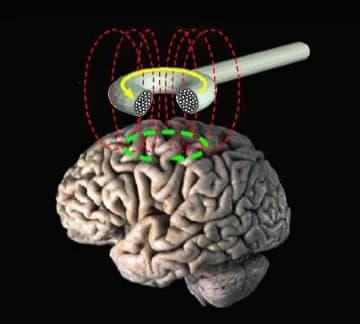
TMS, given as repetitive TMS (rTMS) for depression, uses an electromagnet held against the head. According to NIMH, its magnetic field is about the same strength as an MRI scanner’s. It is switched on and off very quickly, which induces weak electrical currents that stimulate brain cells and circuits under the coil. In the large depression trials below, the coil was placed over the left front of the brain (the left dorsolateral prefrontal cortex).
- You are awake. No anesthesia is used, and you can drive yourself home afterward.
- It is passive. You sit in a chair while the device works. You do not have to do anything.
- It is daily. Labyrinth’s TMS page describes 36 sessions for depression, five days a week, which takes about six to eight weeks. Each session lasts 19 to 45 minutes, depending on the diagnosis.
What neurofeedback is
Neurofeedback is a kind of biofeedback. The FDA’s rule for biofeedback devices describes them as instruments that give a visual or sound signal matching one of your body’s measures, such as brain alpha-wave activity, “so that the patient can control voluntarily” that measure. In practice:
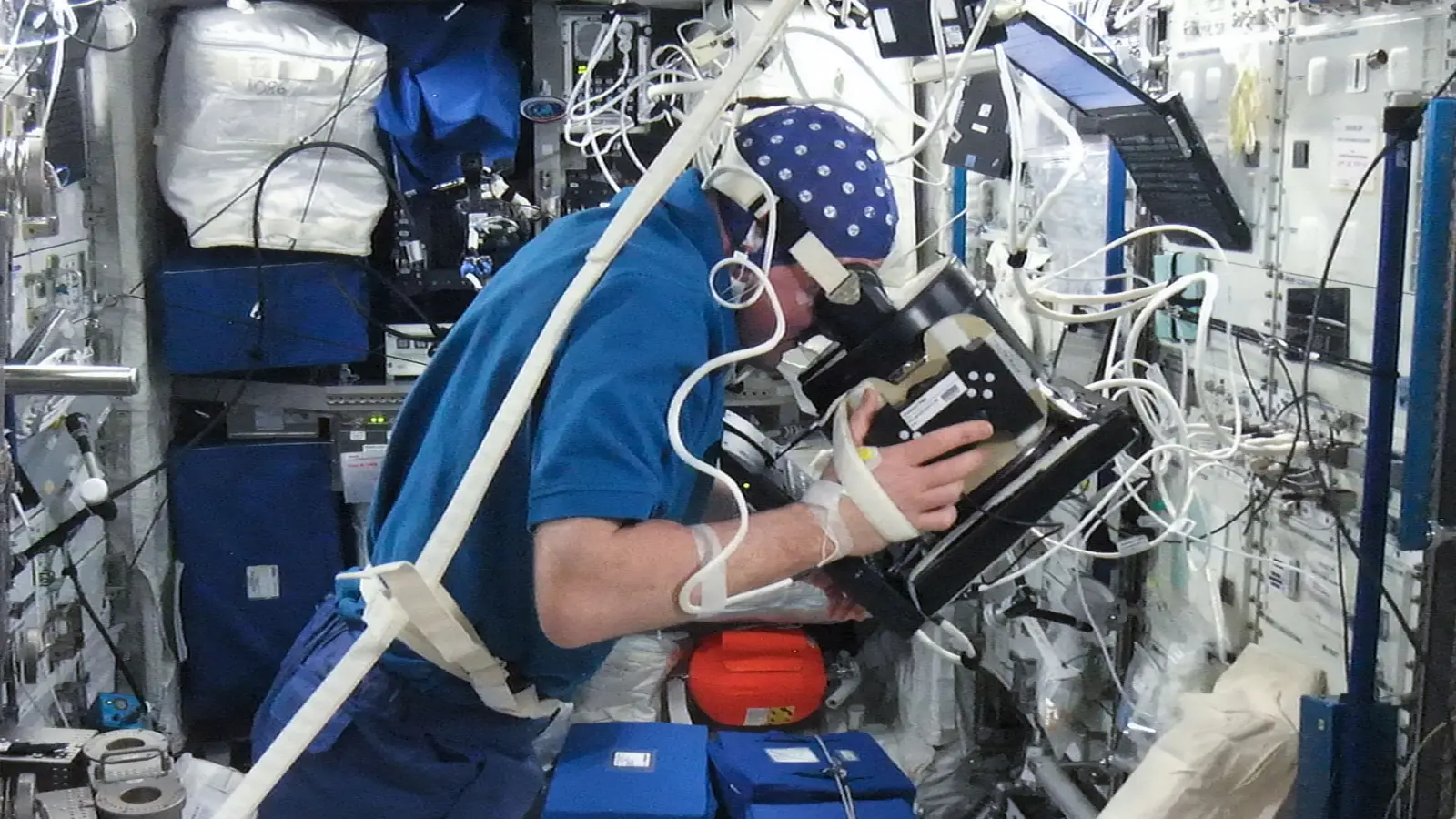
- Sensors go on your scalp. Small electrodes record your brain’s electrical activity (an EEG). Nothing is sent into the brain.
- You get feedback in real time. A picture or tone changes as your brain waves move toward or away from a target pattern.
- You learn by repetition. Over many sessions, the reward of the feedback is meant to teach your brain to hold the target pattern, a learning process researchers call operant conditioning.
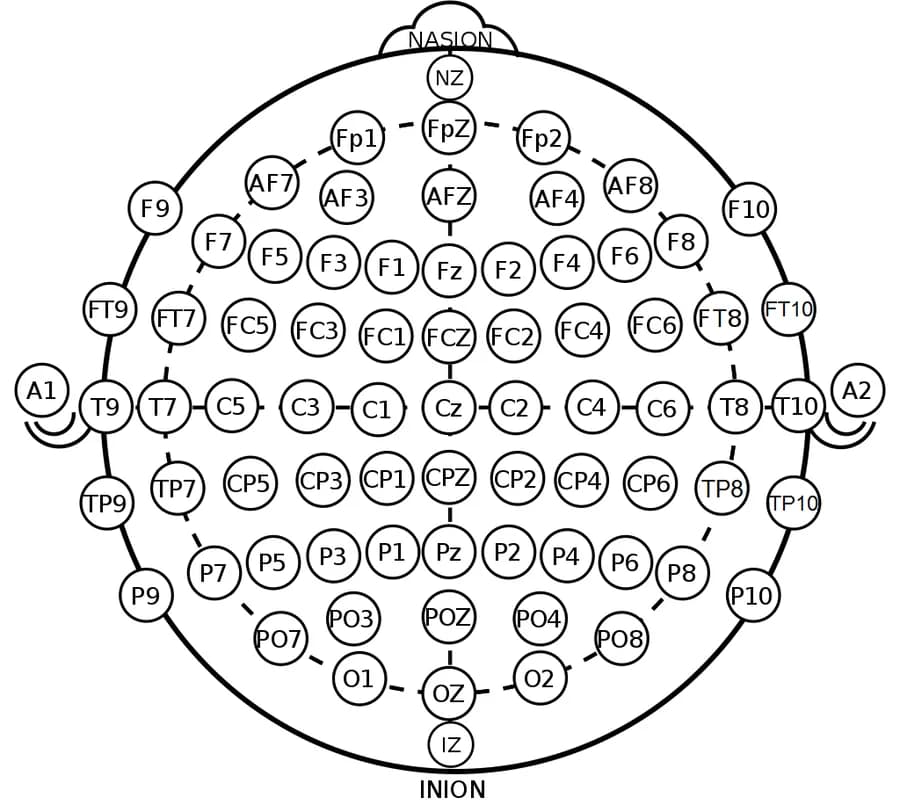
For depression, one common approach is the alpha-asymmetry protocol. It targets the balance of alpha brain waves between the left and right front of the brain, measured at sensor sites F3 and F4, because depression has been linked to relatively more left-sided alpha activity there (Peeters et al., 2014). An emerging form, real-time fMRI neurofeedback, uses an MRI scanner instead of EEG.
FDA status: cleared for depression, or not
None of the devices named below was FDA-“approved.” The first TMS device was granted through the FDA’s De Novo pathway, and the others were cleared through a 510(k). As NIMH explains, clearance means the device is substantially equivalent to one the FDA has already cleared or approved, and each clearance covers the specific uses on its record.
TMS
- Depression, since 2008. The FDA granted the first TMS device, NeuroStar, through its De Novo pathway on October 7, 2008 (DEN070003). NeuroStar’s December 2008 clearance (K083538) covers major depressive disorder in adults who did not improve enough on one antidepressant at or above the minimum effective dose and duration in the current episode.
- Other cleared uses. NIMH lists treatment-resistant depression, OCD, migraines, anxiety with depression and smoking dependence, plus, since March 2024, add-on treatment of depression in adolescents 15 and older.
Neurofeedback
- Regulated as biofeedback. Biofeedback devices are Class II devices under 21 CFR 882.5050.
- IASIS i2 (March 13, 2026). Its 510(k) K252923 covers “relaxation and stress reduction through the use of EEG biofeedback.”
- Prism (March 17, 2023). Its 510(k) K222101 covers relaxation and stress reduction, and an add-on treatment of PTSD symptoms under a healthcare professional’s direction. Its clearance rested on a single-arm study with no comparison group.
- Nothing found for depression. Searches of the FDA’s 510(k) records for neurofeedback and biofeedback devices, and of its De Novo database for “neurofeedback” and “biofeedback,” found no device cleared to treat depression (searched October 26, 2026).
That does not stop a clinician from offering neurofeedback for depression. It means no neurofeedback device has been reviewed by the FDA for that use, and that insurers often treat it as unproven (see insurance below).
What the research shows for depression
TMS
- A 301-patient sham-controlled trial (2007). In a double-blind trial at multiple sites, people with major depression who had not benefited from earlier treatment got real or sham TMS five times a week for four to six weeks. Real TMS beat sham on the main scale (the MADRS) at week 4, after a correction the authors made afterward for differences in how ill the two groups were at the start, and on both Hamilton depression scales at weeks 4 and 6. Response rates were higher with real TMS at weeks 4 and 6, and remission rates were about twice as high at week 6. Only 4.5% stopped because of side effects.
- 307 patients in 42 US practices (2012). In everyday clinical practice, among patients whose depression had not improved on an average of 2.5 adequate antidepressant trials, 58% responded and 37% reached remission by the clinician’s rating. This study had no sham group.
Neurofeedback
- A 2021 systematic review of 24 studies. In most studies (480 people treated, 194 in control groups), people with major depression improved more than the control group. But most did not meet the strictest standards for study quality and reporting.
- A 2022 meta-analysis. Across eight studies with 176 patients with major depression, bio- and neurofeedback groups improved more than control groups. The authors say the field still has “a large room for improvement in terms of research quality.”
- A 2024 meta-analysis of 22 studies. It found a significant effect on depression symptoms, and longer courses were linked to better results.
- MRI-based neurofeedback. A 2022 review of four randomized trials found a trend in its favor that was not statistically significant, with low-certainty evidence.
- A small pilot (2014). Of nine people given up to 30 alpha-asymmetry sessions over 10 weeks, one responded and four reached remission. It was open-label, so the authors note the result could reflect natural recovery or non-specific effects.
Head to head
No randomized trial has compared TMS with neurofeedback for depression. A PubMed search on October 26, 2026 for randomized trials of both found one: a 2024 trial in 40 people with Parkinson’s disease, where the combination of both did not change depression levels. The research paper that ranks on page one for this search, a 2025 review in adults with ADHD (18 studies), found no statistically significant effect for TMS, neurofeedback or a third method in its meta-analysis, and judged the neurofeedback studies the weakest. It did not study depression.
Time, side effects and safety
How much time each takes
- TMS: a fixed daily schedule. At Labyrinth, 36 sessions over about six to eight weeks. Aetna’s policy, for comparison, covers up to 30 sessions (five days a week for six weeks) plus 6 tapering sessions.
- Neurofeedback: no standard course for depression. The 2014 pilot used up to 30 sessions in 10 weeks. Prism’s PTSD course is 15 sessions of 30 minutes, twice a week over 8 weeks, per its FDA summary.
Side effects
- TMS: according to NIMH, as quoted on Labyrinth’s TMS page, the most common are discomfort where the coil sits, tingling of the scalp or face, mild headaches and brief lightheadedness. Seizures are possible, but the risk is low.
- Neurofeedback: in the 79-person Prism study, 40 people (50.6%) had a side effect, mostly mild headache or fatigue that passed after the session. Two had serious events, and neither was judged related to the device.
Who usually cannot have TMS
Labyrinth’s TMS page lists a seizure disorder or a history of seizures; metal or electronic devices in or near the head; implanted heart devices close to the coil; head tattoos made with metallic ink; and certain neurological conditions, such as epilepsy, a brain tumor or a history of severe head injury.
Insurance in New Jersey
Coverage is one of the biggest practical differences:
- TMS: Labyrinth’s TMS page says Medicare and many commercial plans cover TMS for depression when their criteria are met, and most require approval first. Aetna’s TMS policy (last reviewed July 17, 2026) covers it for severe major depression after set medication trials.
- Neurofeedback: Aetna’s biofeedback policy (last reviewed July 16, 2026) lists depression among the conditions for which it considers biofeedback experimental, investigational or unproven. Aetna is one of the plans Labyrinth lists. Other plans were not checked for this article.
For the TMS numbers, read how much TMS therapy costs in New Jersey and whether TMS is covered by health insurance.
Can the two be combined?
Some clinics offer both, and EEG brain-wave readings are also used to guide a form of TMS. The evidence for combining them in depression is a single case report from Italy: a 37-year-old man with treatment-resistant depression had 20 TMS sessions over 10 days in hospital, each followed by an 18 to 20 minute neurofeedback session, and reached remission. His only side effect was a brief, mild headache. One patient with no comparison group cannot show the combination works better than TMS alone. For the EEG-guided TMS system cleared for PTSD in 2026, see our article on TMS for PTSD.
Which one fits whom
This is a comparison of the evidence, not advice for you. Based on the sources above:
- TMS is the one with FDA clearance for depression and insurer coverage criteria. It fits the cleared use best: adults with major depression that has not improved enough on an antidepressant. It asks for five visits a week for several weeks.
- Neurofeedback is still being studied for depression. Reviews call the early results promising and the studies weak. It asks you to take an active part, and plans like Aetna’s treat it as unproven for depression, so check what your plan pays before you start.
- Neither replaces the basics. NIMH notes that, in most cases, brain stimulation is used only after other treatments, such as medication or psychotherapy, have been tried.
If medication has not been enough, read what to do when your medication is falling short and the pros and cons of TMS therapy.
Questions to bring to an evaluation
- Is my depression major depression, and how many antidepressants have I tried at a full dose for long enough?
- Would TMS be used within its FDA clearance for me, or off-label?
- What does the research say about neurofeedback for my kind of depression, and was it compared with a sham?
- Does anything rule TMS out for me: a seizure history, metal or devices in or near my head, a head injury?
- What will my plan cover for each one, and what would I pay if it does not?
- How will we measure whether it is working, and when do we decide?
TMS evaluations at Labyrinth in Cranford and Edison
Labyrinth Psychiatry Group’s TMS page lists TMS for depression that medication has not relieved, and for OCD, at two New Jersey offices: 11 Commerce Drive, Lobby Floor, Cranford, in Union County, and 1 Ethel Road, Suite 103B, Edison. The first step is an evaluation with a psychiatrist, who looks at your diagnosis, what you have tried and your safety history, and tells you whether TMS fits. Call 908-336-1187 or request an appointment online, and say which office is closer.
Questions about TMS and neurofeedback
Is neurofeedback FDA-approved for depression?
No device was found that is. Neurofeedback devices are regulated as biofeedback devices (21 CFR 882.5050). In the FDA’s records read on October 26, 2026, the two cleared neurofeedback systems found are cleared for relaxation and stress reduction (IASIS i2, March 2026) and, for one, also as an add-on for PTSD symptoms (Prism, March 2023). Searches of the FDA’s 510(k) and De Novo databases found no neurofeedback device cleared to treat depression. TMS devices have been FDA-cleared for depression since 2008.
Is TMS better than neurofeedback for depression?
No trial has compared them head to head in depression. A PubMed search on October 26, 2026 found one randomized trial that tested both, alone and together, and it was in Parkinson’s disease. What can be compared is the evidence behind each. TMS has FDA clearance for depression and large sham-controlled trials. Neurofeedback reviews report improvement but say most studies are small and do not meet strict quality standards.
What is the difference between neurofeedback and TMS?
TMS acts on the brain from outside: a coil sends magnetic pulses that create small electrical currents in brain tissue, and you sit passively while it works. Neurofeedback is a training method: sensors record your brain waves and a screen or sound shows you, in real time, when they move in the target direction, so you learn to shift them yourself. Neither involves surgery or anesthesia.
How many sessions does each take?
Labyrinth’s TMS page describes 36 sessions for depression, five days a week, over about six to eight weeks, with each session lasting 19 to 45 minutes. Neurofeedback has no standard course. One depression pilot study used up to 30 sessions over 10 weeks, and the FDA-cleared Prism system for PTSD symptoms uses 15 sessions of 30 minutes, twice a week over 8 weeks. A 2024 meta-analysis found longer neurofeedback courses linked to better results.
Does insurance cover neurofeedback for depression?
Not under every plan. Aetna, one of the plans Labyrinth lists, names depression among the conditions for which it considers biofeedback experimental, investigational or unproven (policy 0132, last reviewed July 16, 2026). The same insurer covers TMS for severe major depression when its criteria are met (policy 0469). Other plans were not checked for this article, so ask your own plan.
Can TMS and neurofeedback be used together?
Some clinics combine them, but the evidence is thin. The only depression report found for this article is a single case: a man with treatment-resistant depression who had 20 TMS sessions, each followed by neurofeedback, over 10 days in a hospital, and reached remission. One patient with no comparison group cannot show that the combination works.
What disqualifies you from TMS?
Labyrinth’s TMS page lists the usual exclusions: a seizure disorder or history of seizures; metal or electronic devices in or near the head, such as deep brain stimulators, cochlear implants, aneurysm clips or stents; implanted heart devices close to the coil; head tattoos made with metallic ink; and certain neurological conditions, such as epilepsy, a brain tumor or a history of severe head injury.
What is the difference between TMS and rTMS?
rTMS means repetitive TMS: the coil gives pulses in repeated trains, which is how TMS is given as a treatment for depression. NIMH describes TMS treatment for depression as rTMS. Our article on the pros and cons of TMS explains the forms in more detail.
Is TMS as effective as ECT?
Not according to NIMH. Its brain stimulation page says rTMS does not match the therapeutic effects of electroconvulsive therapy (ECT), which is still considered the gold standard for treatment-resistant depression, and that strong clinical evidence supports rTMS in reducing depressive symptoms. ECT needs anesthesia; TMS does not.
What is the difference between neurofeedback and EMDR?
They are different kinds of treatment. EMDR (Eye Movement Desensitization and Reprocessing) is a trauma-focused talk therapy that the VA’s National Center for PTSD lists among the PTSD treatments that work best. Neurofeedback is brain-wave training with scalp sensors, regulated as a biofeedback device.