
Labyrinth Psychiatry Group · Published · FDA records and studies read that day · Clinical review by Dr. Salvatore G. Savatta pending
The short answer
TMS is not FDA-cleared for bipolar depression. The FDA’s device category for TMS in depression (product code OBP) is defined for the treatment of major depressive disorder. Its other TMS treatment categories are for other conditions: OCD, migraine headache, smoking cessation and PTSD. None is named for bipolar disorder. Using TMS for the depressive episodes of bipolar disorder is off-label. The research has grown a lot in the last few years. A 2026 review of 56 studies with 1,709 people found real TMS worked better than a fake (sham) treatment, and mania was no more common than with sham. Most trials treated people who were already taking a mood stabilizer, and the strongest results come from small studies that still need confirming.
What TMS is, in one paragraph
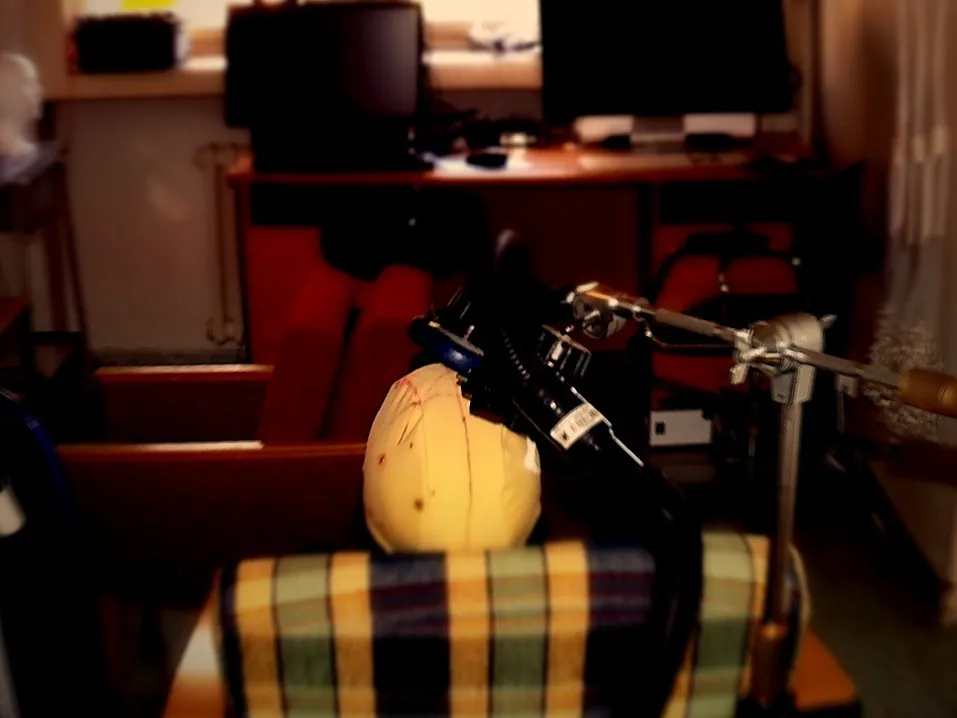
Transcranial magnetic stimulation (TMS) uses a magnetic coil held against the head. It sends quick magnetic pulses through the scalp to the part of the brain involved in mood. You stay awake in a chair, nothing is implanted and no anesthesia is used. At Labyrinth, according to its TMS page, a standard course for depression is 36 sessions, five days a week, over about six to eight weeks, with sessions of 19 to 45 minutes.
Bipolar depression is not the same as major depression
Bipolar disorder has two sides. NIMH describes it this way:
- Bipolar I: manic episodes of at least 7 days (or severe enough for hospital care), usually with separate depressive episodes of at least 2 weeks.
- Bipolar II: depressive episodes and hypomanic episodes, which are milder than mania. Many people spend long stretches in a low-grade depressive state.
- Often missed: people with bipolar II may seek help only for the depression, so the hypomanic episodes can go unnoticed.
About 2.8% of US adults had bipolar disorder in the past year, according to NIMH survey data. The difference matters for TMS for two reasons. First, the FDA clearances cover major depressive disorder, the kind without manic or hypomanic episodes. Second, anything that lifts mood can, in principle, push someone with bipolar disorder too far up. That is why the mania question gets its own section below.
What the FDA has cleared TMS for, and where bipolar stands
The FDA clears each TMS device for specific uses, written on its record. These five are in the depression category, from the first in 2008 to the newest in 2026, read from the FDA’s own records:
| FDA decision | Device | Use on the record | FDA record |
|---|---|---|---|
| Oct 2008 | NeuroStar TMS System (De Novo, the first TMS device) | Major depressive disorder: it created product code OBP, which the FDA defines “for the treatment of major depressive disorder” | DEN070003 |
| Dec 2008 | NeuroStar TMS Therapy System | Major depressive disorder in adults who did not improve enough on one antidepressant in the current episode | K083538 |
| Nov 2025 | BrainsWay Deep TMS System | Depressive episodes (and anxiety symptoms) in adults with major depressive disorder after antidepressants; add-on for major depressive disorder at ages 15 to 21 | K251391 |
| May 2026 | MagVenture Accelerated TMS System | Depressive episodes (and anxiety symptoms) in adults with major depressive disorder after antidepressants | K260189 |
| Sep 2026 | KCS rTMS Therapy System | Major depressive disorder in adults after antidepressants in the current episode | K260396 |
- The depression device category (OBP) is defined by the FDA as a stimulator “for the treatment of major depressive disorder”. The FDA’s other TMS treatment categories are named for obsessive-compulsive disorder (QCI), migraine headache (OKP), smoking cessation (QMD) and post traumatic stress disorder (SIG); read more in TMS for PTSD. None is named for bipolar disorder.
- A search of the FDA’s 510(k) records in all five of those TMS categories for devices with “bipolar” in the name found none.
- The FDA’s guidance for TMS makers asks them to add a precaution for groups where safety and effectiveness have not been established. The list includes “a psychotic disorder, including schizoaffective disorder, bipolar disease, or major depression with psychotic features.”
What “off-label” means here
- It is legal for a doctor to recommend. Off-label means the use is not on the device’s FDA record, not that it is banned.
- The evidence is newer and smaller than for major depression. The trials below are the main ones.
- Insurance often will not pay. See the insurance section below.
What the research shows
In 2013, a letter in a psychiatry journal found only 10 published papers on TMS in bipolar disorder, five of them in bipolar depression with 66 patients in total, and called the data “preliminary but intriguing.” The picture is much fuller now:
| Study | What was tested | What it found |
|---|---|---|
| Tavares et al., 2017 | Sham-controlled trial, 50 people, deep TMS (H1 coil), 20 sessions over 4 weeks, added to their medicines | Depression scores fell more with real TMS at week 4, but not by week 8. Response 48% vs 24% with sham (not statistically significant). No switches into mania. Source: Tavares et al., 2017. |
| Kishi et al., 2024 | Pooled analysis of 12 sham-controlled trials | Real TMS raised the chance of response by about a third (risk ratio 1.34): one extra responder for every 8 people treated. It did not beat sham on remission. Confidence in the evidence: low or very low. Source: Kishi et al., 2024. |
| Sheline et al., 2024 | Sham-controlled trial, 24 people on a mood stabilizer, accelerated theta-burst: 10 sessions a day for 5 days | Depression scores fell from 30.4 to 10.5 with real treatment and from 28.0 to 25.3 with sham. 6 of 12 reached remission after 5 days, none with sham. Source: Sheline et al., 2024. |
| Li et al., 2024 | Open-label, 10 people with bipolar I, SAINT accelerated protocol, 5 days (no sham group) | 50% responded and 40% reached remission right after treatment; 60% reached remission within a month. No manic episodes or serious side effects. Source: Li et al., 2024. |
| Ventura et al., 2026 | Review of 56 studies, 1,709 people with bipolar depression, controlled and uncontrolled | Real TMS beat sham (a moderate effect). Mania or hypomania was no more common than with sham. Across the real-treatment groups, 46.8% responded and 28.3% reached remission. Source: Ventura et al., 2026. |
“Response” usually means depression scores fell by half or more. “Remission” means scores fell to the range of few or no symptoms. Sham treatment looks and sounds like TMS but sends little or no stimulation into the brain.
The 2026 review, plainly
The 2026 review by Ventura and colleagues pooled 56 studies with 1,709 people. Its main findings:
- Real TMS beat sham in the randomized trials, a moderate effect (Cohen’s d of 0.40).
- Mania or hypomania was no more common than with sham (odds ratio 1.3, with a range from 0.7 to 2.4 that includes no difference).
- Response and remission rates across the real-treatment groups were 46.8% and 28.3%, which the authors call similar to major depression.
- More sessions and more severe depression at the start went with bigger improvements.
A commentary on the review points out the limits: small samples, uneven blinding and sham methods, and bipolar I and II grouped together without separate results.
Why an earlier review was less sure
The 2024 analysis by Kishi and colleagues began with a 2022 review that found TMS helped major depression but not bipolar depression, based on only four sham-controlled trials. With 12 trials, Kishi found a benefit for response (one extra responder for every 8 people treated) but not for remission. It rated its confidence in the evidence low or very low. Two approaches, deep TMS on the left side and theta-burst on the left side, showed a trend toward benefit.
The 5-day accelerated schedule
In February 2023, Johns Hopkins announced a pilot of an accelerated theta-burst schedule for bipolar I depression: 10 short sessions a day for 5 days, 18,000 pulses a day instead of a typical 3,000. The results came out in 2024. In the two-site SAINT study of 10 people, 4 reached remission right after treatment and 6 within a month, with no manic episodes. At the University of Pennsylvania, a sham-controlled trial of 24 people using the same kind of schedule found 6 of 12 in remission after 5 days, and none in the sham group. Both teams say larger trials are needed.
In May 2026 the FDA cleared a MagVenture accelerated TMS system, for depressive episodes in major depressive disorder. That clearance does not cover bipolar depression. Labyrinth’s TMS page describes the standard daily course; it does not describe an accelerated schedule, and this article does not suggest the practice offers one.
Where on the head TMS is aimed
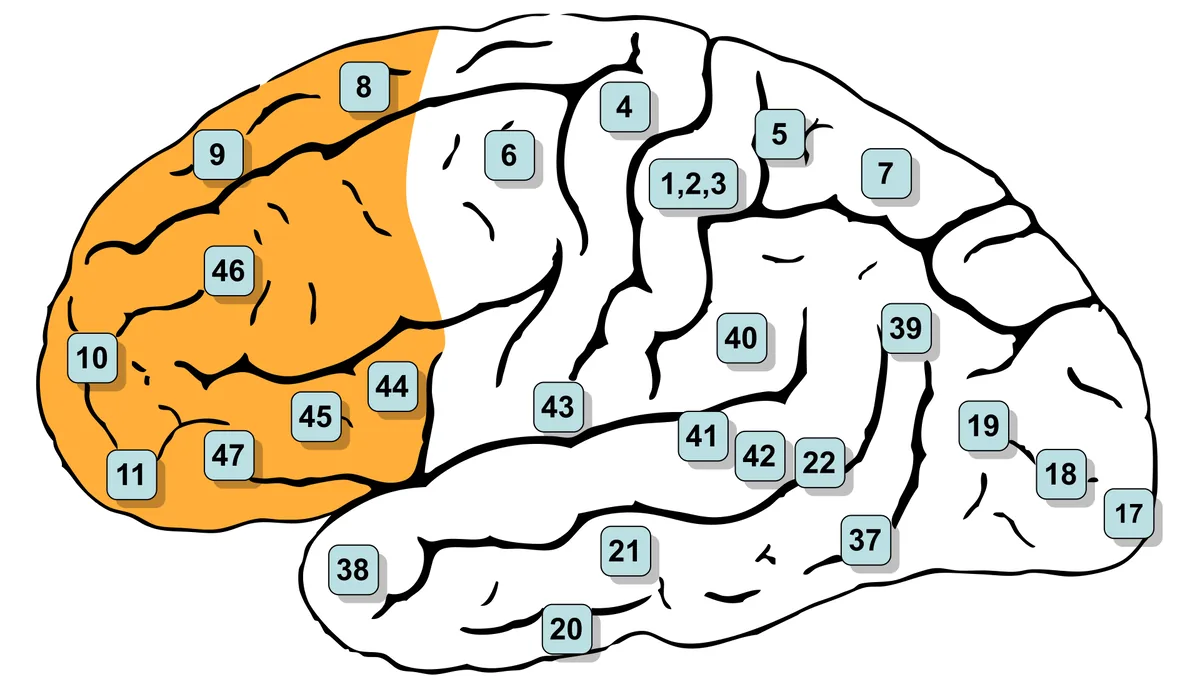
Most bipolar depression studies aimed TMS at the dorsolateral prefrontal cortex, at the front of the brain. The 2026 review found two set-ups most strongly linked to good results: fast (high-frequency) or theta-burst stimulation on the left side, and slow (low-frequency) stimulation on the right side. A 2013 letter sets out the idea behind it. Depression may be associated with low activity in the cortex, particularly on the left side, with a relative increase on the right. TMS has been thought to help bipolar depression by stimulating the left prefrontal cortex or by calming the right, since fast pulses (more than 1 per second) excite the cortex and slow pulses (less than 1 per second) calm it.
The mania question
This is the first worry for most people with bipolar disorder, and it is a fair one.
- It is a known, rare risk. Mayo Clinic lists “emotional highs, called mania, particularly in people with bipolar disorder” among the uncommon serious side effects of TMS.
- The FDA asks trials to track it. Its guidance lists “switching to hypomania/mania” among the serious events TMS studies should count.
- In the bipolar research, it was uncommon. The 2026 review found no more mania with real TMS than with sham. The 2017 deep TMS trial and the SAINT study reported no manic switches, and the review lists no cases from the Sheline trial.
- The few cases were in people on medication. The 2026 review found mood stabilizers reported in 45 of its 56 studies. It counted 16 people with mania or hypomania across all its studies. It places 9 of them in real-TMS groups and 4 in sham groups, all from three trials, and does not say which group the other 3 were in. Every affected patient was taking a mood stabilizer or an antipsychotic.
For the common, short-lived side effects of TMS (scalp discomfort, headache, twitching), see the TMS side-effects guide from Advanced Depression Care, which refers patients to Labyrinth. Labyrinth’s TMS page lists the same common ones.
Who the trials treated, and who usually cannot have TMS
What the trials asked for
No one has set formal rules for TMS in bipolar depression. These are the conditions the main trials used:
- A current depressive episode, not a manic or mixed one. The SAINT study turned people away for a current mixed episode or a manic episode in the last 6 months.
- A mood stabilizer already in place: for at least 4 weeks in the Sheline trial, and a stable anti-manic regimen in the Johns Hopkins pilot.
- Depression that had not lifted with earlier treatment: two or more failed antidepressant trials in the Sheline trial, and a failed first-line bipolar depression medicine in the Johns Hopkins pilot.
- No other main psychiatric diagnosis, and none of the usual TMS safety exclusions.
Who usually cannot have TMS at all
Labyrinth’s TMS page lists the usual safety exclusions: a seizure disorder or history of seizures, metal or electronic devices in or near the head (such as deep brain stimulators, electrodes, cochlear implants, aneurysm clips or stents), implanted heart devices close to the coil, head tattoos made with metallic ink, and certain neurological conditions. Mayo Clinic also asks people to tell their provider about bipolar disorder, psychosis, alcohol or drug problems, pregnancy and frequent headaches before TMS.
Where TMS fits in bipolar depression care
TMS is not first-line care for bipolar depression. NIMH describes the usual treatment:
- Medication. Bipolar depression is often treated with a mood stabilizer or an atypical antipsychotic. An antidepressant may be added, but never alone, because on its own it can trigger mania or rapid cycling. Lithium can also lower the risk of suicide.
- Psychotherapy, alongside medication: interpersonal and social rhythm therapy, family-focused therapy, and cognitive behavioral therapy, including CBT for insomnia.
- Other treatments. ECT can relieve severe symptoms when other treatments have not worked or a quick response is needed. TMS, in NIMH’s words, is “not as powerful as ECT” but needs no general anesthesia and carries little risk to memory. Light therapy may help seasonal worsening.
Can you manage bipolar disorder without medication?
NIMH says bipolar disorder usually needs lifelong treatment and does not go away on its own. The psychotherapies it lists work when used with medication, and it advises not to stop a medication without talking to your provider first. In the TMS research, TMS was added to medication, not used instead of it.
Insurance and cost in New Jersey
Plans pay for TMS when it treats major depressive disorder and their criteria are met. For bipolar depression, coverage is less likely:
- Aetna, one of the plans Labyrinth lists, names bipolar disorder among the conditions for which it considers TMS’s value and effectiveness not established (Clinical Policy Bulletin 0469, last reviewed July 17, 2026).
- Other plans set their own rules. Ask your plan in writing whether a bipolar diagnosis changes TMS coverage before a course starts.
For the numbers, read how much TMS therapy costs in New Jersey and whether TMS is covered by health insurance.
Bipolar care and TMS at Labyrinth in Cranford
Labyrinth Psychiatry Group’s bipolar disorder page describes a careful evaluation before diagnosis and an individual treatment plan. Its treatment list includes medications (such as mood stabilizers, antipsychotics and antidepressants), individual and group psychotherapy, neurofeedback, neuromodulation and lifestyle changes. Telehealth visits are available for follow-up.
Labyrinth’s TMS page lists TMS for depression that medication has not relieved, and for OCD, at its Cranford and Edison offices. Neither page says the practice uses TMS for bipolar depression, and this article does not say it does. If you have bipolar disorder and are in a depressive episode that has not lifted, ask at your evaluation whether TMS is worth discussing. The psychiatrist decides, based on your diagnosis, your medicines and your safety history. The Cranford office is at 11 Commerce Drive, Lobby Floor, in Union County.
Questions to bring to the evaluation
- Is my diagnosis bipolar I, bipolar II, or something else, and am I in a depressive episode right now?
- Is my mood stabilizer or antipsychotic at a dose and for a length of time that makes TMS safer to consider?
- What have I already tried for this episode, and what would the usual next medicine step be?
- Since TMS for bipolar depression is off-label, how would we watch for early signs of hypomania or mania during the course?
- Does anything rule TMS out for me: seizures, metal or devices in or near my head, a head injury?
- Would my plan pay for it, given that some insurers list bipolar disorder as experimental for TMS?
Call 908-336-1187 or use the evaluation request form. Please keep health details out of the online form. Office staff follow up to arrange a time.
Questions about TMS for bipolar depression
Is TMS FDA-approved for bipolar depression?
No. The FDA’s device category for TMS in depression (product code OBP) is defined for the treatment of major depressive disorder. Its other TMS treatment categories are for other conditions: OCD, migraine headache, smoking cessation and PTSD. None is named for bipolar disorder. Every TMS record read for this article in the depression category (NeuroStar 2008, BrainsWay Deep TMS 2025, MagVenture Accelerated TMS 2026, KCS 2026) is for major depressive disorder. A search of the FDA’s 510(k) records in all five of those TMS categories found no device named for bipolar disorder. The FDA’s guidance for TMS makers also lists bipolar disease among the conditions where safety and effectiveness have not been established. A psychiatrist can still recommend TMS off-label.
How effective is TMS for bipolar depression?
Moderately, in the research so far. A 2026 review of 56 studies (1,709 people) found real TMS worked better than sham, and across the real-treatment groups 46.8% responded and 28.3% reached remission. A 2024 analysis of 12 sham-controlled trials found one extra responder for every 8 people treated, but no clear difference in remission, and rated its confidence low. Small 2024 trials of a 5-day accelerated schedule reported larger effects that still need confirming in bigger studies.
Does bipolar disorder disqualify you from TMS?
Not automatically. Bipolar disorder is not on Labyrinth’s TMS safety exclusion list, which covers seizures, metal or electronic devices in or near the head, implanted heart devices near the coil, metallic-ink head tattoos and certain neurological conditions. But TMS is not FDA-cleared for bipolar depression, the FDA’s guidance asks makers to warn that its safety and effectiveness in bipolar disease are not established, and some insurers treat it as experimental. Research trials enrolled people in a depressive episode who were already on a mood stabilizer. Whether TMS fits you is a decision for a psychiatric evaluation.
Can TMS cause mania?
It can, rarely. Mayo Clinic lists mania, particularly in people with bipolar disorder, among the uncommon serious side effects of TMS, and the FDA asks TMS trials to track switching into hypomania or mania. In the research on bipolar depression, the 2026 review of 56 studies found mania or hypomania no more common with real TMS than with sham, and the cases it traces to specific studies came from three other trials, all in patients taking a mood stabilizer or an antipsychotic. The 2017 deep TMS trial and the 2024 SAINT study reported no manic switches, and the review lists no cases from the 2024 Sheline trial.
Can TMS trigger psychosis?
The sources read for this article do not give a rate. The FDA’s guidance lists psychotic disorders, including bipolar disease and major depression with psychotic features, among the groups in which TMS safety and effectiveness have not been established, and Mayo Clinic asks people to tell their provider about psychosis or bipolar disorder before TMS. If you have had psychotic symptoms, raise it at the evaluation.
Can TMS overstimulate the brain?
The brain-related serious risks the sources name are a seizure and, in people with bipolar disorder, mania. Mayo Clinic calls both rare (it also lists hearing loss if the ears are not well protected). The FDA’s guidance says TMS labeling should list seizure as a possible risk, and asks trials to count seizures and switches into hypomania or mania. In the 2026 review of 56 bipolar depression studies, one seizure was reported: it lasted under 10 seconds and resolved on its own, in a patient taking lithium. The dose is set for each person at the first visit by finding the motor threshold, the energy needed to move the fingers or thumb, and Labyrinth’s TMS page lists a seizure disorder among the reasons TMS is generally not used.
Do I need to be on a mood stabilizer to have TMS for bipolar depression?
In most of the research, yes. The 2026 review found mood stabilizers reported in 45 of its 56 studies, and found no difference in results between studies that reported them and studies that did not. The 2024 Sheline trial required a mood stabilizer for at least 4 weeks, the 2017 deep TMS trial treated people on adequate medication, and the Johns Hopkins pilot required a stable anti-manic regimen. NIMH notes that antidepressants are not used alone in bipolar disorder because they can trigger mania. Your psychiatrist decides what to continue.
What is the best treatment for bipolar depression?
There is no single best one. According to NIMH, bipolar depression is often treated with a mood stabilizer or an atypical antipsychotic, sometimes with an antidepressant added (never alone), along with psychotherapy such as interpersonal and social rhythm therapy, family-focused therapy and CBT. ECT is considered when other treatments have not worked or a rapid response is needed. TMS is listed among other brain stimulation options.
Is TMS for bipolar depression covered by insurance?
Often not. Aetna, one of the plans Labyrinth lists, names bipolar disorder among the uses for which it considers TMS’s value and effectiveness not established (Clinical Policy Bulletin 0469, last reviewed July 17, 2026). Plans that cover TMS generally do so for major depressive disorder when their criteria are met. Ask your plan, and the office, before you start.
What is the relationship between bipolar disorder and depression?
Depressive episodes are part of bipolar disorder. NIMH describes bipolar I as manic episodes, usually with separate depressive episodes of at least 2 weeks, and bipolar II as depressive and hypomanic episodes, often with long low-grade depressive stretches. People with bipolar II may seek help only for the depression, so the hypomanic episodes can go unnoticed. That is why a full mood history matters before TMS.
Does TMS work for bipolar II?
Studies so far have mostly combined bipolar I and II, so the answer for each type is not clear. A 2025 commentary on the 2026 review notes that trials often grouped the two without separate analyses. The review also found no link between bipolar type and results. The 2024 Sheline trial was mostly bipolar II (22 of its 24 patients); the SAINT study enrolled only bipolar I. Ask how the evidence applies to your diagnosis.