
Labyrinth Psychiatry Group · Published · Prepared by the practice’s editorial team · Reviewed by Dr. Salvatore G. Savatta on
The short answer
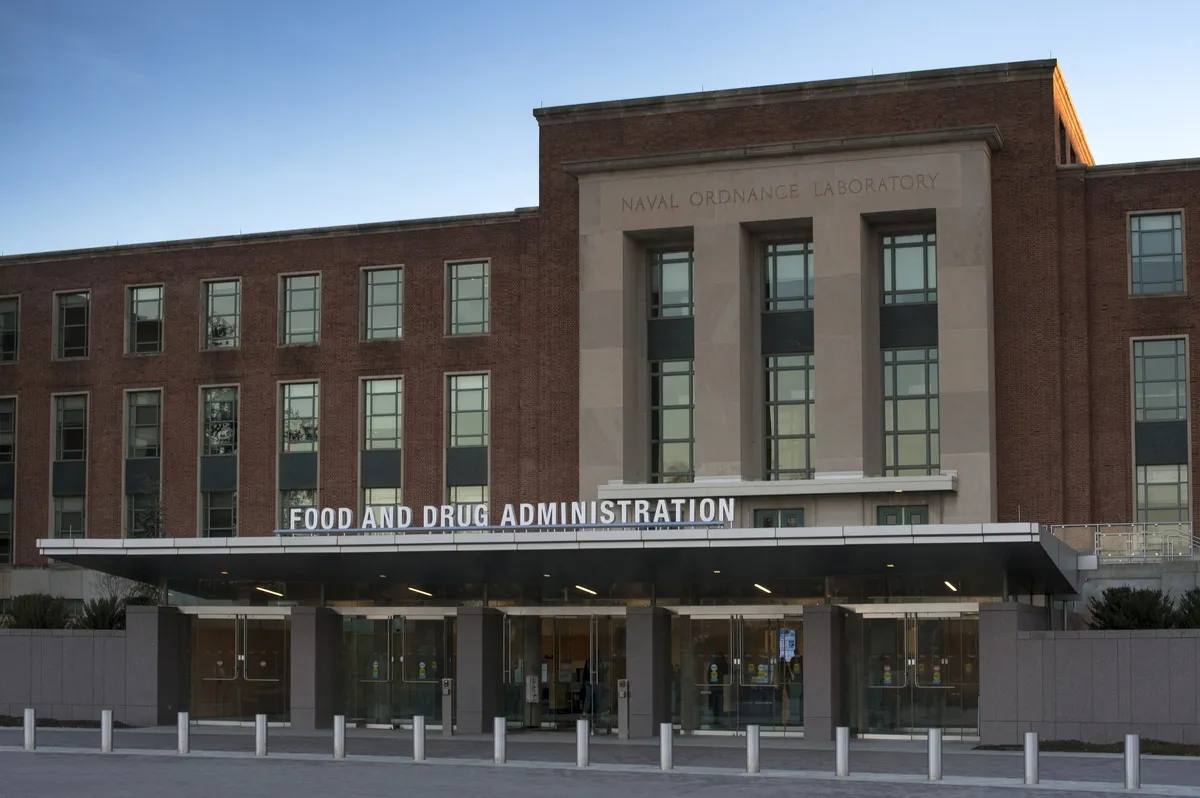
Not yet. As of November 6, 2026, no psilocybin treatment has FDA approval, and outside a research study psilocybin therapy is not something a New Jersey clinic can offer you. The first approval may be getting close. On November 3, Compass Pathways said the final part of its FDA application for COMP360, a synthetic psilocybin treatment for treatment-resistant depression, “will be filed in the next two weeks,” and that it expects a U.S. launch in the first half of 2027, “subject to FDA approval.”
Approval would not be the last step. Compass says COMP360 contains a Schedule I controlled substance and “must be rescheduled before commercializing,” by the DEA and by the states. And New Jersey’s own psilocybin law, signed January 20, 2026, pays for research at three hospitals. It does not license clinics, service centers or facilitators.
Where FDA approval stands: the timeline
Each row comes from the source named in it. The most important line is the last one: no FDA decision date has been announced.
| Date | What happened | Source |
|---|---|---|
| November 3, 2022 | The New England Journal of Medicine publishes Compass’s Phase 2b trial: 233 adults with treatment-resistant depression; one 25 mg dose lowered depression scores more than a 1 mg dose at week 3. | NEJM 2022 |
| June 2025 | First Phase 3 trial (COMP005), 258 adults with treatment-resistant depression: one 25 mg dose of COMP360 did better than placebo on the trial’s main depression measure at week 6. | Compass; NCT05624268 |
| January 20, 2026 | New Jersey’s P.L.2025, c.296 is signed: a $6 million psilocybin research pilot at three hospitals, run by the Department of Health. | NJ Legislature |
| February 17, 2026 | Second Phase 3 trial (COMP006): two 25 mg doses given three weeks apart did better than a 1 mg dose on the trial’s main depression measure at week 6. | Compass |
| April 18, 2026 | An executive order tells the Attorney General to start the rescheduling review of a Schedule I product as soon as it completes Phase 3 trials for a serious mental illness. | White House |
| April 24, 2026 | The FDA issues national priority vouchers for psilocybin in treatment-resistant depression and psilocybin in major depressive disorder. Compass says its voucher could shorten FDA review to 1 to 2 months after filing. | FDA; Compass |
| July 2026 | The FDA issues its guidance for psychedelic drug trials, which expects two monitors for the whole dosing session. | FDA guidance |
| November 3, 2026 | Compass: the final part of its rolling FDA application “will be filed in the next two weeks”; launch expected in the first half of 2027, “subject to FDA approval.” | Compass |
| Not yet scheduled | An FDA decision. No decision date has been announced. After any approval, the DEA and the states must reschedule the product before it can be sold. | Compass |
What still has to happen after an FDA decision
- The FDA review. The FDA issued national priority vouchers on April 24, 2026 for psilocybin in treatment-resistant depression and psilocybin in major depressive disorder. Compass says its voucher “could shorten review times to 1-2 months.” That is a target, not a promised date.
- Rescheduling. An April 18, 2026 executive order tells the Attorney General to “initiate and complete review of any product containing a Schedule I substance that has successfully completed Phase 3 clinical trials for a serious mental health disorder,” so rescheduling “may proceed as quickly as practicable” for products the FDA approves. The order itself approves nothing.
- How it would be given. In research, the FDA’s July 2026 guidance expects “observation by two monitors for the duration of the treatment session,” because people “may remain in a vulnerable state for several hours or longer,” and, when the lead monitor is not a physician, an on-call physician able to reach the site within 15 minutes. The rules for an approved product would come with its approval.
- Who it would be for. COMP360 has been studied in treatment-resistant depression. A second psilocybin program, for major depressive disorder, also holds an FDA priority voucher.
New Jersey’s 2026 psilocybin law, in plain terms
Governor Murphy signed P.L.2025, c.296 on January 20, 2026. Earlier versions of the bill would have set up “a framework for the regulated production and use of psilocybin.” Assembly amendments adopted January 12, 2026 replaced that with a research pilot, and the pilot is what became law.

- What it creates: the “Psilocybin Behavioral Health Access and Therapy Pilot Program” in the New Jersey Department of Health, with an 11-member Psychedelic Therapy and Research Advisory Board.
- Where: one hospital from each of the northern, central and southern regions. Union County, where Cranford is, is in the central region with Middlesex, Monmouth and Mercer counties.
- Money: $6 million, with $2 million to each of the three hospitals.
- Rules: the Department of Health may not set any requirement that “conflicts with protocols and guidelines from the United States Food and Drug Administration related to clinical trials for psychedelic substances.”
- Timing in the law: board members within 60 days; a request for proposals to hospitals within 180 days (about mid-July 2026); hospitals chosen within 60 days after that. The pilot “shall commence upon the selection of hospitals,” and reports follow year two.
- What it does not do: license service centers, facilitators or sales. The enacted text also sets no age or certificate rule for patients; who can take part will depend on each hospital’s research protocol.
As of November 6, 2026, we found no public announcement that the Department of Health has chosen the three hospitals. Until it does, there is no pilot to join.
Other states. Two states license psilocybin programs. In Oregon, adults 21 and older can receive psilocybin services at a licensed service center with a licensed facilitator, with no prescription; Oregon notes psilocybin is “still a Schedule I substance” under federal law. Colorado listed 12 standard and 35 micro licensed healing centers as of October 30, 2026.
What the research shows so far
The results below are what each study or company reported, shown as the share of people who responded and the share in remission. A response means a person’s depression score fell by at least half. Remission means the score fell low enough that few or no symptoms were left. Compass has not announced those two figures for its Phase 3 trials, so those rows show what the company has reported.
| Study | Who | Compared | Result |
|---|---|---|---|
| Carhart-Harris, NEJM 2021 | 59 adults with depression | Psilocybin vs. daily escitalopram (Lexapro) for 6 weeks | Responded at week 6: 70% with psilocybin vs. 48% with escitalopram. In remission: 57% vs. 28%. These were secondary measures; on the trial’s main measure there was no significant difference, and the authors call for larger, longer trials. |
| Goodwin, NEJM 2022 (Phase 2b) | 233 adults with treatment-resistant depression | One dose of 25 mg, 10 mg or 1 mg | Responded at week 3: 37% with 25 mg vs. 18% with 1 mg. In remission: 29% vs. 8%. Still responding at week 12: 20% vs. 10%, a difference that was not statistically significant. The 10 mg dose did about the same as 1 mg. Adverse events in 77% of participants. |
| Raison, JAMA 2023 (Phase 2) | 104 adults with major depressive disorder | One 25 mg dose vs. niacin (an active placebo) | Responded at every check through day 43: 42% with psilocybin vs. 11% with niacin. In remission at every check: 25% vs. 9%, a difference that did not reach statistical significance. |
| COMP005, Phase 3 (2025) | 258 adults with treatment-resistant depression | One 25 mg dose vs. placebo | Met its main goal at week 6. Compass reports that 25% of the 25 mg group had at least a 25% drop in their depression score, a lower bar than a response. Its announcement gives no response or remission rate and no figure for the placebo group. |
| COMP006, Phase 3 (2026) | Adults with treatment-resistant depression | Two 25 mg doses three weeks apart vs. 1 mg | Met its main goal at week 6. Compass reports that 39% of the 25 mg group had at least a 25% drop in their depression score. Its announcement gives no response or remission rate and no figure for the 1 mg group. |
In short: in the two published trials that compared one 25 mg dose with a placebo-like dose, about 4 in 10 people responded (37% and 42%), against 1 to 2 in 10 in the comparison groups (18% and 11%), and about 3 in 10 were in remission (29% and 25%), against about 1 in 10 (8% and 9%). The 2022 trial’s authors caution that “no definite conclusions can be drawn” from its response and remission figures, because of how the trial’s statistics were planned. The 2021 head-to-head trial found no significant difference from escitalopram on its main measure. Both Phase 3 trials met their main goal, according to Compass, but the company has not announced their response and remission rates. Compass reports that in its Phase 3 trials, side effects were mostly mild or moderate and “the vast majority resolving within 24 hours.” Dr. Savatta wrote about the 2021 study for this site at the time; his piece, What effect will psilocybin have on the treatment of depression?, now carries a note pointing here.
Safety, and who may not be a candidate
- Common side effects. In COMP005, the most common were “headache, nausea and visual hallucination.” In the 2022 NEJM trial, adverse events occurred in 179 of 233 participants (77%) and included headache, nausea and dizziness.
- Heart and blood pressure. NIDA: “Psilocybin typically raises blood pressure and heart rate, which may be dangerous for people with heart conditions.”
- Suicidal thoughts. In the 2022 NEJM trial, “suicidal ideation or behavior or self-injury occurred in all dose groups,” including the 1 mg group.
- Who the trials left out. Compass’s first Phase 3 trial (COMP005) excluded anyone with past or current bipolar disorder or any psychotic disorder, a psychiatric hospital stay in the past 12 months, or TMS in the six months before screening. Another Phase 3 trial (NCT06308653) excluded people with elevated blood pressure, certain heart conditions, or a first-degree relative with a psychotic disorder or bipolar I disorder. These are research rules; an approved label could differ.
- Supervision. In research, the FDA expects two monitors for the whole session, as described above.
Why not to try it on your own
NIDA says the health risks of psilocybin show up “particularly when unsupervised and outside of a research study and clinical supervision,” and that “some commercial products such as candies marketed as containing psilocybin have also been found to contain toxic chemicals and have caused severe illness.” In 2024, the CDC counted 180 illnesses, 73 hospitalizations and 2 deaths linked to Diamond Shruumz brand chocolate bars, cones and gummies and similar mushroom-marketed chocolates, 3 of them in New Jersey. FDA testing of the products found psilocin, pregabalin (a prescription drug) and other substances, and CDC warns such edibles “might contain undisclosed ingredients.” If someone has taken a product like this and is very unwell, call 911.
If you are thinking about psilocybin for your depression now
- Talk with a psychiatrist about where you are. How many treatments you have tried, for how long and at what dose shapes what makes sense next, including whether you would be a candidate for psilocybin later.
- Look at clinical trials, with care. On November 6, 2026, ClinicalTrials.gov listed 11 recruiting studies within about 60 miles of Cranford that match a psilocybin search, most in New York City. The only New Jersey site was in Toms River, for CYB003, a compound related to psilocybin, in major depressive disorder. Each trial sets its own rules; Compass’s first Phase 3 trial excluded anyone who had TMS in the six months before screening.
- Know what is available today. For depression that has not responded to antidepressants, Labyrinth offers TMS therapy and SPRAVATO (esketamine) in Cranford. SPRAVATO is given only in certified healthcare settings, with at least two hours of observation. TMS vs. SPRAVATO compares the two.
- Stay in care while you wait. No approval date exists yet. If you are waiting, keep your current treatment and your psychiatrist in the loop rather than stopping anything on your own.
Psilocybin at Labyrinth Psychiatry Group
Labyrinth sees psilocybin as a promising treatment and hopes to offer it as soon as it is available and appropriate safeguards are in place. The practice does not offer it today, and this page will be updated as the FDA, the DEA and New Jersey act.
If your depression has not responded to treatment, the practice can evaluate you for the options available now at 11 Commerce Drive, Lobby Floor, Cranford, NJ 07016. Call 908-336-1187 or use the appointment request form; office staff follow up to arrange a time. For more, see treatment-resistant depression.
Questions people ask about psilocybin in New Jersey
Is psilocybin therapy legal in New Jersey?
Not as a treatment you can book. Psilocybin is a Schedule I controlled substance under federal law, and no psilocybin product is FDA-approved. New Jersey’s law signed January 20, 2026 (P.L.2025, c.296) sets up a psilocybin research pilot at three hospitals chosen by the Department of Health, run under FDA clinical-trial rules. It does not license service centers, facilitators or sales. This article does not cover state possession laws.
When will psilocybin be FDA approved?
No date has been set. Compass Pathways said on November 3, 2026 that the final part of its FDA application for COMP360 will be filed in the next two weeks, and it expects a U.S. launch in the first half of 2027, subject to FDA approval. Its national priority voucher aims for a 1 to 2 month FDA review after filing, which is a target, not a promise. After any approval, the DEA and the states must reschedule the product before it can be sold.
Has COMP360 been approved by the FDA?
No. As of November 6, 2026, Compass describes COMP360 as an investigational treatment, and the FDA’s drug approval database lists no product with psilocybin as an active ingredient. COMP360 has Breakthrough Therapy designation and a national priority voucher; neither one is an approval.
Can a doctor in New Jersey prescribe psilocybin?
No. Under federal law psilocybin is a Schedule I substance, so it cannot be prescribed, and in New Jersey it is available only through approved research. If the FDA approves a psilocybin product, it would still need to be rescheduled by the DEA and the states before it could be sold.
What states allow psilocybin treatment?
Oregon and Colorado run state-licensed programs. In Oregon, adults 21 and older can receive psilocybin services at a licensed service center with a licensed facilitator; no prescription is needed, and psilocybin is still Schedule I under federal law. Colorado’s Natural Medicine Division listed 12 standard and 35 micro healing-center licenses as of October 30, 2026. New Jersey’s 2026 law funds hospital research only.
Should I try SPRAVATO or TMS now, or wait for psilocybin?
That is a decision to make with your psychiatrist, and it depends on how you are doing now. Three facts help: no FDA decision date for psilocybin has been announced; even after approval, rescheduling has to happen before it can be sold; and SPRAVATO and TMS are available for depression that has not responded to other treatment today. If you hope to join a psilocybin trial, note that Compass’s first Phase 3 trial (COMP005) excluded anyone who had TMS in the six months before screening, so ask about timing first.
Does Labyrinth Psychiatry Group offer psilocybin therapy?
No. Labyrinth sees psilocybin as a promising treatment and hopes to offer it as soon as it is available and appropriate safeguards are in place. Today the practice treats depression that has not responded to treatment with options that are available now, including TMS and SPRAVATO in Cranford.
Are “microdose” mushroom gummies or chocolates safe?
Not as a substitute for treatment. CDC counted 180 illnesses, 73 hospitalizations and 2 deaths in 2024 linked to Diamond Shruumz brand chocolate bars, cones and gummies and similar mushroom-marketed chocolates, including 3 cases in New Jersey. FDA testing of the products found psilocin, pregabalin (a prescription drug) and other substances. CDC warns that such edibles may contain undisclosed ingredients.